SUBSCRIBE
Saturday, August 15, 2026
Health For Mzansi
  • Trending
  • My Health
  • Conversations
    • Podcast
    • Health Heroes
    • TV
  • Grow It
  • My Food
    • Nutrition
    • Recipes
No Result
View All Result
  • Trending
  • My Health
  • Conversations
    • Podcast
    • Health Heroes
    • TV
  • Grow It
  • My Food
    • Nutrition
    • Recipes
No Result
View All Result
Health For Mzansi

Here is what you need to know about organ donation

by Noluthando Ngcakani
15th September 2022
in Conversations
Reading Time: 3 mins read
A A
On this week's episode of Sisters Without Shame, Samantha Nicholls, the executive director of operation at the Organ Donor Foundation of South Africa shares insights on organ donation in Mzansi. Photo: Supplied/Health For Mzansi

On this week's episode of Sisters Without Shame, Samantha Nicholls, the executive director of operation at the Organ Donor Foundation of South Africa, shares insights on organ donation in Mzansi. Photo: Supplied/Health For Mzansi

There are currently about 4 300 adults and children are awaiting solid organ and tissue transplants in Mzansi. This according to Samantha Nicholls, the executive director of operations of the Organ Donor Foundation of South Africa.

Nicholls joins this week’s episode of Sisters Without Shame to answer all our burning questions about organ donation in Mzansi.

Organ donation is a medical procedure where one person donates an organ, or tissue, to another person who needs a transplant.

Nicholls says that while Mzansi is a world leader in the field of organ transplantation, the demand for organs far exceeds supply throughout the world.

“Across the world there is a shortage of organ and tissue donation in South Africa,” she says. “There are many people waiting for transplant and not enough are receiving organs in time.”
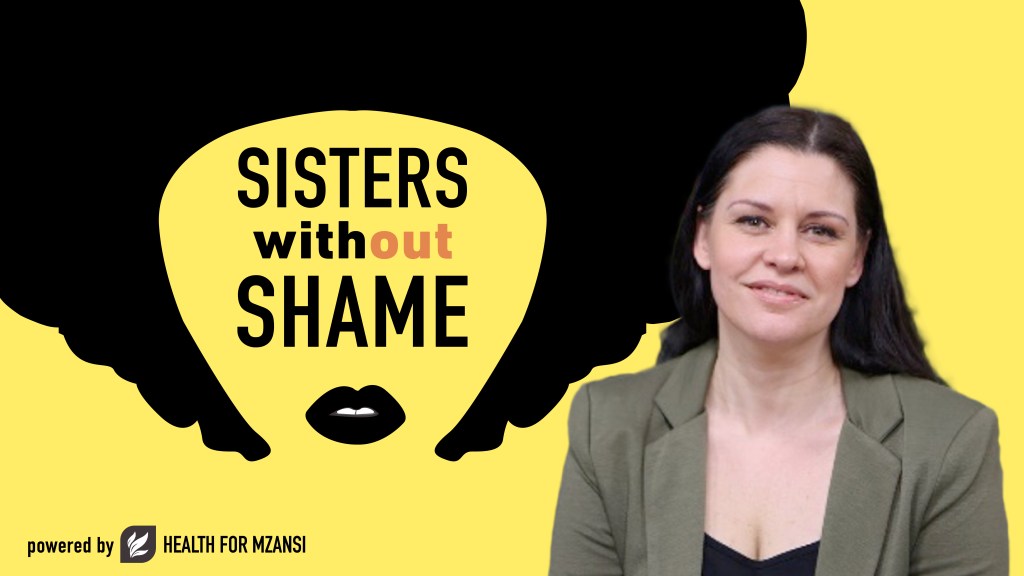
Samantha Nicholls, the executive director of operations at the Organ Donor Foundation, unpacks organ donation in Mzansi. Photo: Health For Mzansi

Which parts of the body are harvested

People who need an organ or tissue transplant are usually very sick or dying, because one or more of their organs are failing. Ideally donors should be under the age of 70 and have no serious diseases or infections.

Through organ donation patients with life threatening illnesses can look forward to a new lease of life.

“You can donate your heart, your kidneys, your lungs, your liver, and your pancreas. These are the five solid organs that could potentially save up to seven lives.”

Organs are harvested by a living or deceased donor. A deceased donor needs to be medically assessed as having no chance of recovery and together with the family, the decision is to withdraw futile intensive care support.

“If you are in a car accident, or something happens, and you end up in a hospital brain dead, they keep you on a ventilator to sustain the organs and the blood flow and the oxygen.

“Two doctors have to diagnose you brain dead in South Africa and these are internationally recognised tests. Once that is determined they then approach the family and that is when the solid organs can be used. [As well as] the tissue is skin, bone, corneas, and heart valves.”

On this episode Samantha shares details on:

  • How medical doctors determine brain death and the harvesting of the organs.
  • What the criteria is for becoming an organ donor in South Africa.

Listen to the full interview on Sisters Without Shame 

Spotify: Click here to listen on Spotify (all mobile and other devices). 

Apple Podcasts: Click here to listen on any Apple device.

Google Podcasts: Click here to listen on Google Podcast.

Want to connect with Sisters Without shame? 

To send an SOS to Sisters Without Shame, email hello@healthformzansi. Alternatively, send a WhatsApp to 076 132 0454.

ALSO LISTEN: Spread hope: ‘Blood stem cell donation can save my life’

Tags: organ donationPodcastSisters Without Shame
Noluthando Ngcakani

Noluthando Ngcakani

Related Articles

Conversations

Better teamwork can improve maternity care in SA

by Tanya Doherty and Christiane Horwood
11th August 2026
Professor Salim Abdool Karim
Health Heroes

Prof. Karim: The scientist who helped steer SA through Covid

by Biénne Huisman
30th June 2026

Latest

Advertorial

Why the world wants more South African beef

by Ivor Price
13th August 2026

Demand for premium beef is growing, and South Africa is well placed to meet it. Industry-wide investments in traceability, animal...

Read moreDetails

Better teamwork can improve maternity care in SA

11th August 2026

Your kitchen herbs could support better everyday health

29th July 2026

Fake weight-loss injections: The hidden health risks hitting Mzansi

14th July 2026

Why the ‘best cut’ of meat isn’t what you think

6th July 2026
Health For Mzansi

Why the world wants more South African beef

Better teamwork can improve maternity care in SA

Your kitchen herbs could support better everyday health

Fake weight-loss injections: The hidden health risks hitting Mzansi

Why the ‘best cut’ of meat isn’t what you think

Prof. Karim: The scientist who helped steer SA through Covid

Contact us
Office: +27 21 879 1824

News: hello@healthformzansi.co.za
Advertising: sales@foodformzansi.co.za

Awards & Impact
Privacy Policy

Cookie Policy
Copyright

No Result
View All Result
  • Trending
  • My Health
  • Conversations
    • Podcast
    • Health Heroes
    • TV
  • Grow It
  • My Food
    • Nutrition
    • Recipes

© 2021 Health For Mzansi | Farmers For Change Pty (Ltd)