


There’s a good reason to put legumes into the spotlight. They are a largely overlooked source of protein as they are often seen as a “poor man’s food” and they can take a long time to cook. However, they are very filling and packed with nutrients.
Don’t banish this nutritious treasure from your pantry. We should be eating them with a variety of foods at least four times a week, says nutritionist and chef Lynne MacCallum.

- The legume family includes dried beans, peas and lentils. In the diet, the term “legumes” usually refers to pulses, which are the edible seeds of leguminous plants.
- Legumes are a nutritious source of plant protein, which are rich in fibre. They support the lowering of blood sugar, blood pressure and promote a slower heart rate.
- They are like meat in nutrients – but with a lower iron content and with no saturated fat. It is full of antioxidants that prevent cell damage and ageing.
“Traditionally and culturally meat has always been associated with being a good protein source. But in recent years the production costs have risen and with mass farming practices there is a move towards more sustainable and health-conscious (protein) options. This is where plant-based proteins such as legumes can now shine.”
Know your legumes
Women should try to eat at least 21 to 25 grams of fibre a day, while men should aim for 30 to 38 grams a day.
Legumes are high in fibre. One whole cup of black beans alone equates to 15 grams of fibre, explains MacCallum.
“Fibre supports healthy bowel movements and lowers the risk of bowel cancers. Legumes are low in calories and can sustain even blood sugar levels that provide a steady energy source for the brain and nervous system.”
Nutritionist and chef, Lynne MacCallum
How to make them even more nutritious

MacCallum adds that legumes contain anti-nutrients (tannins & phytates), which reduces their nutrient availability. It is therefore important to soak them before cooking, which deactivates these anti-nutrients and improves the amount of magnesium, zinc and iron that can be absorbed.
Tinned legumes have already been cooked, so this doesn’t apply to them – but still give them a good rinsing.
There are two options when it comes to soaking legumes:
Overnight soaking: Place in a pot and cover with water 5 cm above the legumes.
A tip to help break down the skins, is to add 5 ml of bicarbonate of soda to the soaking water. Rinse well after soaking and cook as per recipe instructions.
The quick soaking option: Place the legumes in a pot on the stove and cover with water, bring them to the boil for two minutes then switch off and leave them for an hour to soak. Rinse them well and cook as per recipe instructions.
To get the most flavour, consider cooking your legumes in broth instead of water. Don’t salt your beans until they are cooked because adding in salt earlier, can result in hard and dry legumes. Salt draws out moisture from the legume.
ALSO READ: Full marks to fibre, the body’s financial manager
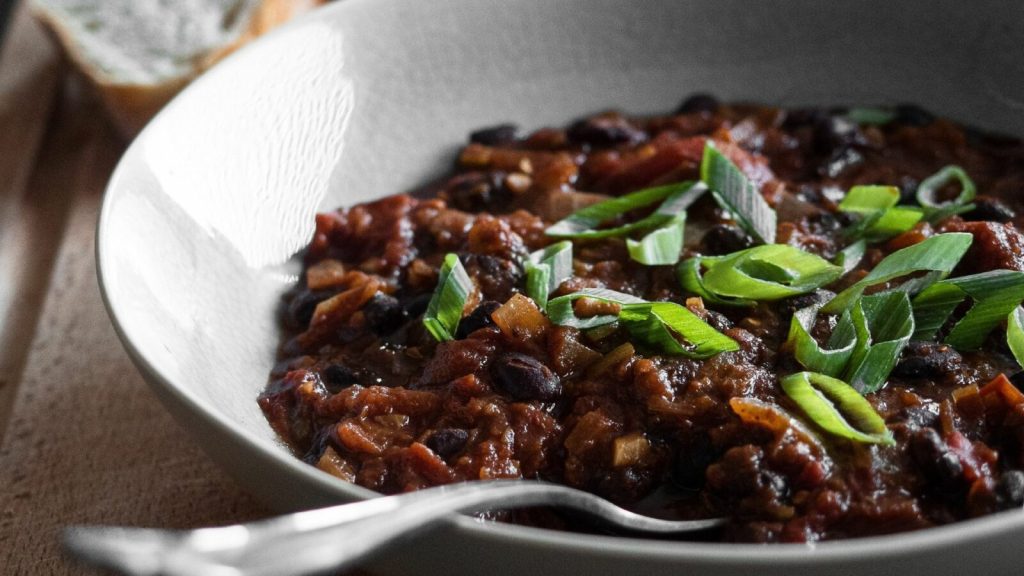
Mexican black bean soup
Ingredients
- 1 medium onion
- 2 stalks celery, diced
- 1 carrot, diced
- 1 tin cooked black beans, well rinsed
- 2 cloves garlic
- 1 tin of chopped tomatoes
- 2 tsp of veg stock in 1 L water
- 1 tbsp Chinese 5 spice
- Seasoning at the end (never season beans while they are cooking, they just go hard)
Instructions
1. Sauté the onion, celery & carrot in some coconut or olive oil until soft and glossy.
2. Add the garlic and Chinese 5 spice seasoning, sauté another minute or two.
3. Add tins of tomatoes and black beans, stock and allow to simmer for around 30 minutes.
4. Blend it all slightly with a stick blender, still leaving some chunks behind.
5. Season to taste.
6. Serve with sour cream, grated cheese and slices of avocado.


